Groovy Shoeline: A Retro Script Typeface for Modern Web Design
In the fast-paced world of digital product creation, selecting the right typeface is often the difference between a generic interface and a memorable brand experience. As web designers and UI specialists, we constantly search for fonts that balance personality with performance. Groovy Shoeline emerges as a compelling solution for those looking to inject a specific kind of energy into their layouts. This bold and bouncy monoline script font offers a perfect blend of retro groove and modern elegance, making it an ideal candidate for projects that require a human touch without sacrificing contemporary style.
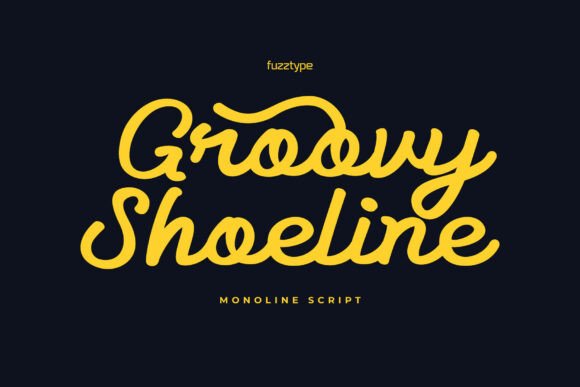
Visually, Groovy Shoeline is defined by its smooth flowing strokes and handcrafted feel. Unlike traditional calligraphy scripts that mimic pressure-sensitive brush pens, this monoline style maintains a consistent stroke width throughout. This characteristic is crucial for web design because it ensures high legibility across various screen sizes and resolutions. The "bouncy" nature of the baseline adds a playful rhythm to the text, preventing the rigid grid-like structure that often plagues digital interfaces. When used correctly, this creative font can transform a sterile landing page into a dynamic storytelling environment.
Establishing Visual Hierarchy in Digital Layouts
One of the primary challenges in UI design is guiding the user's eye through content effectively. Groovy Shoeline excels as a display font for establishing clear visual hierarchy. Because of its distinctive personality, it naturally draws attention, making it perfect for hero sections, main headlines, and key value propositions. When a visitor lands on a site, the first few seconds are critical. Using a unique script like this for the primary headline creates an immediate emotional connection, signaling that the brand behind the screen is approachable, creative, and confident.
However, usability must always come first. While Groovy Shoeline is stunning for short phrases and titles, it should not be used for long blocks of body copy. The optimal application involves pairing it with a clean, neutral sans serif font for paragraphs and navigation elements. This contrast allows the script to shine as a decorative accent while ensuring that detailed information remains easy to scan and read. For instance, on a coaching website or a course sales page, you might use Groovy Shoeline for the course title and module headers, while relying on a geometric sans serif for the lesson descriptions and bullet points.
Enhancing Brand Tone and Conversion
The choice of typography directly influences brand identity and user trust. A font that feels too corporate can alienate users seeking authenticity, while one that is too messy can appear unprofessional. Groovy Shoeline strikes a balance that works exceptionally well for boutique online stores, creative portfolios, and lifestyle brands. Its retro vibe evokes nostalgia and warmth, which can significantly boost engagement in conversion-focused layouts. Imagine a banner for a handmade jewelry shop; the fluid lines of this handwritten font suggest craftsmanship and care, reinforcing the value of the products being sold.
In terms of conversion optimization, this typeface is particularly effective for Call-to-Action (CTA) buttons, provided the text is kept brief. Words like "Join Us," "Get Started," or "Shop Now" rendered in Groovy Shoeline stand out against standard interface elements. To maintain readability on mobile devices, ensure there is ample padding around the text and that the font size is large enough to be tapped easily. On dark backgrounds, the white or light-colored strokes of the font pop beautifully, creating a striking contrast that guides the user toward the desired action.
Practical Applications for Web and Mobile Screens
Integrating Groovy Shoeline into your design system requires a strategic approach to ensure it performs well across different devices. Here are several practical ways to leverage this premium font in your next project:
- Hero Headers: Use it for the main headline on landing pages to instantly capture attention and set a playful yet professional tone.
- Logo Design: The monoline structure makes it highly versatile for logo marks, especially for startups and personal brands looking for a friendly image.
- Social Media Graphics: Create cohesive brand assets for Instagram stories or Pinterest pins where the retro aesthetic performs well.
- Section Dividers: Use short phrases in this script to break up long-scrolling pages, adding visual interest and pacing to the user journey.
- Digital Ads: In banner ads where space is limited, the bold strokes of Groovy Shoeline remain legible even at smaller scales compared to thinner scripts.
When designing for responsive layouts, pay close attention to line height and letter spacing. Script fonts can sometimes feel cramped on small mobile screens if the leading is too tight. Increasing the vertical space between lines helps preserve the "bouncy" character of the font and prevents the ascenders and descenders from colliding. Additionally, when placing text over image overlays, consider adding a subtle drop shadow or a semi-transparent background shape to ensure the smooth strokes do not get lost in complex textures.
Font Pairing and Technical Considerations
To create a sophisticated editorial design or a polished web experience, font pairing is essential. Groovy Shoeline pairs beautifully with modern sans serifs like Inter, Roboto, or Montserrat. This combination creates a dialogue between the organic, human element of the script and the structured, logical nature of the sans serif. For a more classic or luxury feel, you might experiment with pairing it with a high-contrast serif font, though this requires careful tuning of weights to avoid visual clutter.
From a technical standpoint, when acquiring fonts from foundries like Script Amp, it is vital to check the included file formats and webfont availability. Ensure that the package includes WOFF and WOFF2 files for optimal web performance and loading speeds. Many modern script fonts also include alternates and ligatures that allow for a more natural, less repetitive look. If Groovy Shoeline offers these features, take advantage of them in your CSS to randomize character shapes slightly, enhancing the handcrafted illusion.
Finally, always verify the licensing terms before deploying the font in client projects or commercial products. A standard desktop license may not cover web embedding or usage in digital templates sold to third parties. For online stores, SaaS platforms, and extensive marketing campaigns, a comprehensive commercial license is necessary to protect your business and respect the creator's rights. By understanding these nuances and applying Groovy Shoeline with intention, you can elevate your digital products, creating experiences that are not only visually stunning but also deeply engaging for your audience.